
April Showers, Lasting Memories: Protecting Your Family Photos from Water/Heat Damage
Updated: Apr 20
"April reminds us that every new beginning starts with a little rain" - Unknown

Yes, showers do bring May flowers but along with gentle rains, the occasional torrential soakers remind us how fragile our stored memories can be. Family photographs, whether tucked in albums or stored in boxes, hold irreplaceable pieces of our story. But water damage from leaks, flooding, or even heat and humidity can quickly turn those memories into loss. April is the perfect time to take a few simple steps to protect your photos and ensure your family’s memories stay safe.
In order to protect physical photos from weather damage like humidity, flooding, or heat, you should use a combination of proper storage materials, strategic placement, weather prep and digital redundancy.

Storage Materials
Using the right storage containers create a physical barrier against moisture and other environmental factors. The following tips are a proactive way to start the process of safekeeping your memories.
Use archival quality supplies such as acid-free and lignin-free boxes, envelopes or albums to prevent acid deterioration, vinegar syndrome and oxidation over time. Avoid cardboard or peel & stick albums which contain harmful chemicals
Plastic sleeves: Store individual photos in PVC-free sleeves to shield them from fingerprints and spills.
Waterproof Bins: For high risk areas, place archived photos inside airtight, heavy-duty plastic bins with gaskets and secure latches
Desiccants: Include silica gel packets inside sealed containers to absorb trapped moisture and prevent mold growth

Strategic Placement
Where you keep your photos is just as important as how they are stored.
The first tip is obvious: avoid hazard prone areas such as attics which hold excessive heat and basements which are prone to high humidity and flooding or near water sources like pipes and heaters.
Choose climate-controlled spaces like a cool, dry, and dark interior closet on the first or second floor where temperatures remain stable (ideal temperature is between 65 - 72 degrees).
Keep elevated! Never store photo boxes directly on the floor. Keep them on high shelves to protect them from unexpected leaks or minor flooding.

Preparation for Severe Weather
Keep an eye on the weather. If a storm or flooding is predicted, you can take these extra steps
Double-Bagging - Place loose photos and small albums into double sealed freezer bags.
Seal Bins - Use duct tape or Gorilla tape to seal the edges of plastic storage bins to prevent water entry.
Move to Higher Ground: Relocate all photo containers to the highest possible level of your home, but avoid the attic if there is a risk of roof damage.


Digital Protection
Digitization is the only way to ensure your memories survive if physical copies are lost. The best way to mitigate risk is having your photos digitized. The LOCKSS (lots of copies keep stuff safe) method is one good standard to follow - Having copies of digital files in multiple formats on multiple devices.
Another standard method is the 3-2-1 backup strategy: Keep three copies of your photos, on two different types of media, for example on your computer and another on an external hard drive or thumb drive, with one copy stored off site such as on a cloud server.

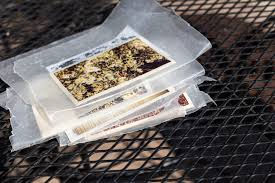

Damage Control - What to do if photos get wet
If photos get water damage, it is essential to act within 48 hours to prevent mold.
Rinse Carefully: gently rinse mud of debris off with cold, clean water (preferably distilled water)
Air-Dry: Lay photos flat, image side up, on paper towels in a well-ventilated area. Avoid direct sunlight or heat sources like hairdryers which cause fading and warping.
Freeze if Necessary: If you cannot treat them immediately, freezing stops mold growth, buys time if you cannot dry them all at once and prevents sticking. Place photos between wax paper in plastic bags and put them in the coldest part of your freezer, and don't forget to label them with a permanent marker for future identification.
While this is a quick summary of how to recover and mitigate damage, there are more detailed instructions online. Check out this link from the National Park Service

While we always hope and pray each season passes without storms, extreme heat, or flooding, the reality is that weather is unpredictable and very often unforgiving. Taking a little time to plan ahead and protect your photographs now can make all the difference later—saving you hours and hours of recovery and preserving the irreplaceable memories that might otherwise be lost forever.

P.S. Stay tuned for LJCLS Genealogy exhibits and workshops coming this Summer/Fall.



Comments